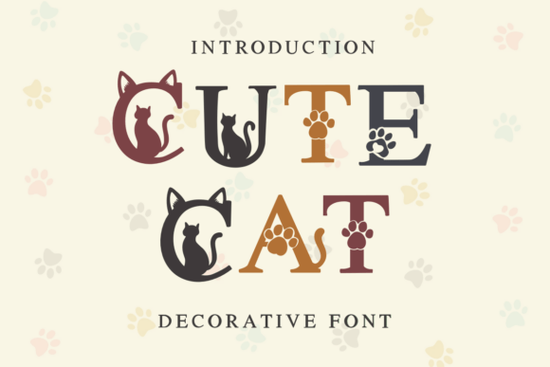
If you’ve ever wanted to add a touch of feline charm to your designs without going over the top, the Cute Cat Font might be exactly what you’re looking for. This decorative typeface blends classic serif elegance with subtle cat-inspired details like tiny ears peeking from letterforms and delicate paw prints replacing dots or serifs. It’s not just a novelty font; it’s thoughtfully crafted for real-world creative use, whether you’re designing greeting cards, branding a pet boutique, or personalizing nursery wall art.
What makes this font stand out is how it balances whimsy with readability. Unlike many overly stylized animal-themed fonts that become illegible at smaller sizes, Cute Cat maintains enough structure to work in headlines, logos, and short-form text. The high-contrast strokes give it a refined look, while the embedded cat motifs integrated rather than slapped on add personality without overwhelming the design.
Who is this font actually useful for?
You don’t need to be a “crazy cat person” (though it helps!) to find value in this typeface. Here’s who benefits most:
- Pet-related small businesses: Think vet clinics, cat cafés, or online stores selling cat toys. Using a font like this in flyers, packaging, or social posts creates instant brand recognition with warmth and character.
- Print-on-demand sellers: Mugs, tote bags, and T-shirts featuring phrases like “Nap Like a Cat” or “Foster Feline” gain extra appeal when set in a font that visually echoes the message.
- Digital scrapbookers and Cricut crafters: The detailed yet clean lines cut well on machines and layer beautifully in layered paper projects or vinyl decals.
- Children’s product designers: From storybook titles to nursery name signs, the playful but not childish aesthetic fits modern kids’ decor trends.
If you're exploring options in the decorative fonts category, you’ll find that this particular cat-themed typeface offers more versatility than most. It’s not limited to Halloween or meme-style content it works year-round for heartfelt or professional contexts alike.
How to use it without making your design look cluttered
Because Cute Cat is a display font, it’s best reserved for short text: headlines, names, slogans, or single words. Avoid using it for body copy or long paragraphs. Pair it with a simple sans-serif (like Montserrat or Lato) for contrast and clarity.
For digital use, test readability at various sizes especially if you’re creating social media graphics. On physical products, ensure the fine details (like ear shapes or paw elements) are large enough to print clearly. Most craft cutters handle it well down to about 1.5 inches tall, but always do a test cut first.
Color choice also matters. While black showcases the full detail, soft pastels (lavender, mint, or warm beige) enhance the gentle mood without losing definition. For a bolder look, try deep navy or charcoal instead of pure black.
Where does it fit in your workflow?
Once downloaded from Creative Fabrica, the font installs like any standard OTF or TTF file. It works in Adobe Creative Suite, Canva (via upload), Silhouette Studio, Cricut Design Space, and most word processors. No special software needed.
One practical tip: if you’re using it for commercial projects (like selling mugs or printable wall art), double-check the license but most Creative Fabrica fonts, including Cute Cat, come with a commercial-use license included at no extra cost.
And because it’s part of Creative Fabrica’s vast library, you can bundle it with other cat-themed graphics, SVG cut files, or coordinating patterns during checkout often at a steep discount if you use their subscription model.
Final tip before you download
Ask yourself: does my project need subtle charm or loud novelty? If it’s the former, Cute Cat delivers. If you’re aiming for cartoonish or exaggerated cat imagery, you might prefer a different style. But for elegant, smile-inducing typography that still feels intentional and polished, this font hits the sweet spot.
Before you start designing, check this quick list:
- Use only for headlines, logos, or short phrases not paragraphs.
- Pair with a clean, neutral font for supporting text.
- Test print or cut a sample to confirm detail visibility.
- Stick to 1–2 colors max to keep the focus on the letterforms.
- Remember: less is more. One well-placed word in Cute Cat often says enough.
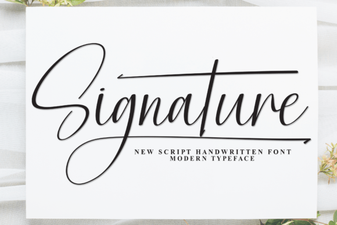 Beautiful & Functional Signature Fonts for Your Projects
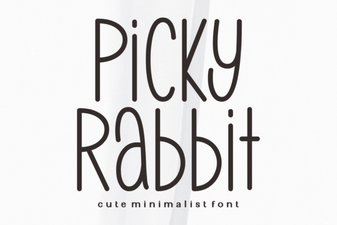 Picky Rabbit Font: Design Ideas for Creative Projects
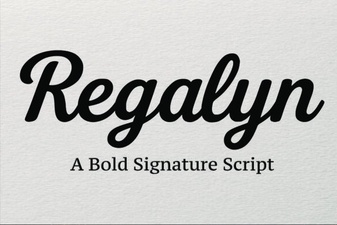 Regalyn Font: Design Ideas & Creative Uses
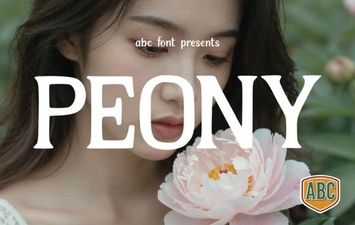 Peony Font: Elegant Typography for Creative Projects
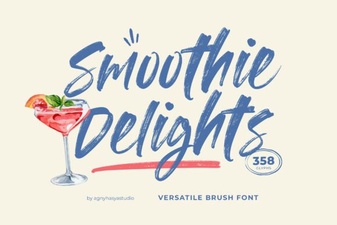 Font Style Ideas for Smoothie Branding
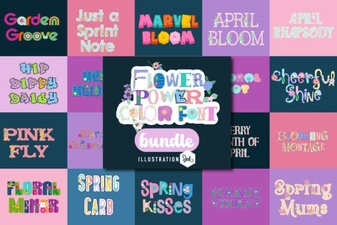 Flower Power Fonts for Colorful Web Design